Introduction
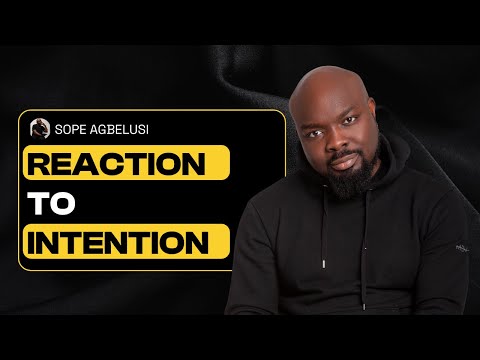
Two weeks before recording this episode, a deal Sope Agbelusi had been building for months lost a significant chunk of its value overnight, a direct casualty of election results he'd half expected but hoped to avoid. His first instinct was frustration. His second was to text his wife and three close friends. That instinct, choosing to be seen struggling rather than managing the appearance of having it together, is the entire argument of this episode: the polished image so many leaders maintain isn't just exhausting to keep up. It's actively stopping people from helping them.
The Fake-It-Till-You-Make-It Trap
Agbelusi opens with a simple observation about scrolling LinkedIn, attending conferences, or catching up with friends and colleagues: it is easy to conclude that everyone else has it figured out, that everyone is winning, while you're quietly falling behind. He's blunt that this impression is rarely accurate. Behind polished announcements and celebratory posts, he's had one-to-one conversations with people struggling to pay bills, and with founders who quietly returned to nine-to-five corporate roles after deciding the entrepreneurial lifestyle wasn't sustainable for them, all while their public image told an entirely different story.
The cost of that gap isn't only personal. Agbelusi's own line on it, one he's returned to and written down before, is direct: as leaders, if we put all our energy into hiding our struggles, we leave no room for growth, no space for community, and no chance to truly connect.
Why Perfection Is a Second, Exhausting Business
Maintaining a perfect public image, Agbelusi argues, functions like running a second business alongside the one you're actually trying to build, an entire practice of what he calls appearance management, on top of paying bills and chasing genuine ambition. The exhaustion of that second business is invisible precisely because it's designed to be, which makes it easy to underestimate how much energy it quietly drains.
Worse, the perfect image doesn't just cost the person maintaining it. It creates a barrier for everyone around them, because people naturally assume someone who looks like they have it all together doesn't need any help. The irony, Agbelusi points out, is that the same people complaining no one opens doors for them are often the ones working hardest to look like they don't need any doors opened.
The Deal That Shrank Overnight and Who He Called
Agbelusi uses his own recent experience as the clearest illustration of the alternative. When a deal he'd been developing for 2025, involving his associates and business partners, lost significant value following an election result, his first reaction was frustration and annoyance, entirely normal emotions he doesn't pretend to have skipped. His second reaction was the one that mattered: reaching for his wife and three close friends rather than managing how the setback would look from the outside.
What followed wasn't a performance of resilience. It was processing, sharing both the frustration and the gratitude, for a business partner who'd worked hard to facilitate the deal despite the setback, and for having something to build on regardless. He's explicit that having people to turn to, to share the highs and the lows with and actually let it out, felt good in a way that managing appearances never does.
Nobody Is Self-Made: The Hidden Board Behind Every Success
The episode's central argument rests on a run of examples most listeners will only half recognise. Eduardo Saverin provided early financial backing for Facebook. Sean Parker, Napster's co-founder, introduced Mark Zuckerberg to Silicon Valley investors and helped secure the company's first major funding round. Neither name features prominently in how Facebook's story usually gets told.
Apple's story follows the same pattern. A widely respected coach and mentor within Silicon Valley worked closely with Steve Jobs, particularly during the difficult period when Jobs returned to reshape Apple's management and leadership approach. Mike Markkula, an early angel investor, put in around one hundred and fifty thousand pounds, became an early chairman, and helped shape Apple's original business strategy. Even political leadership follows the pattern: Barack Obama had David Axelrod as chief strategist crafting his message through the Senate and presidential campaigns, and Valerie Jarrett as a longtime friend and adviser guiding his transition into national politics. Agbelusi's challenge is direct: find him anyone visibly successful, and he'll find you the board of advisers standing just out of frame.
The Question That Changed How He Asks for Help
Agbelusi shares a moment of his own that reframed the entire issue. Frustrated that he supported many people behind the scenes without, in his view, receiving comparable support back, he vented this to a friend, who asked one question in return: how often have you actually asked? He describes it landing squarely in his chest, because asking for help is a genuine, ongoing struggle for him, not a solved problem he's teaching from a distance.
That honesty matters to how he frames the whole episode. He's clear he isn't speaking from a place of having it figured out, but from someone still actively working through it, a second-time founder who openly admits there's plenty he doesn't yet know.
Building Your Own Village Before the Year Begins
Agbelusi's practical challenge to listeners is to imagine what a year could look like with a genuinely handpicked circle around them: people whose support is based on real connection and growth rather than appearances, capable of being both a shoulder to lean on and a source of real accountability. He's deliberate that this isn't a new year's resolution exercise. The work, he insists, starts now, not on some symbolic date months away.
He's also candid that not everyone in that circle should simply agree with you. People willing to challenge you, ask hard questions, and occasionally tell you that you're wasting your time are, in his words, an underrated presence in anyone's life, distinct from people who are simply negative for its own sake.
What Real Leadership Actually Looks Like
The episode closes on where Agbelusi locates leadership itself: not in perfection, polished images or hiding behind a mask, but in realness, authenticity and honest admission, in the quiet moments where people either choose to lean in or lean out. His closing challenge is a set of questions rather than answers: who do you need to know, who do you need to speak to, who do you need to let into your world, in order to actually achieve what you're working toward.