Introduction
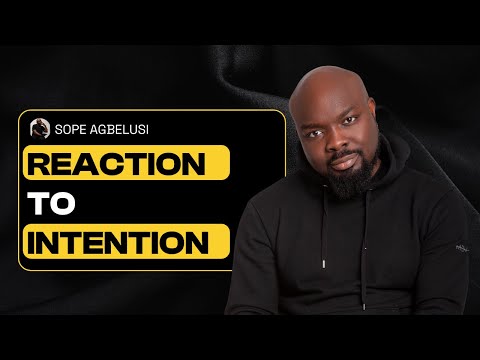
Sope Agbelusi opens this episode of Everyday Leadership admitting he almost didn't record it. Talking about money doesn't sit comfortably with him. But he felt convicted to share the numbers anyway: roughly a decade ago he was earning around £25 an hour. Today he charges more than 100 times that for a single keynote talk. The episode isn't really about the figures, though. It's about the mental shift he says made that growth possible: dropping time as the measure of progress and replacing it with energy and momentum.
Why He Almost Didn't Share This Episode
Agbelusi is upfront that talking about money makes him uneasy, and that this episode required him to push past that. His reasoning: "we applaud and we clap for those we see winning, but we'll learn the most from those when we understand their journey and how they got there." He's careful to draw a line, though. Sharing his numbers isn't a template. "I do not believe that you can do what I do. I do not believe I can do what you do." What's transferable, he argues, isn't the outcome but the mindset behind it.
Time as a Finite Resource Breeds Scarcity
The core idea of the episode is a distinction between two ways of relating to a goal. Treat time as a finite resource, he says, and you end up asking "how long is this going to take?", a question that delays movement before it starts. Shift the focus to momentum and energy instead, and the calculation changes entirely. He uses a familiar image: a clock that drags when you're doing something you don't love, and disappears when you're absorbed in something you do. "It's not about the time. Time's going to fly past one way, shape or form. But where's your energy focused, where's your attention focused? That's the difference."
From £25 an Hour to Five Figures for a Keynote
Agbelusi traces the numbers directly. Around eleven years ago, early in a corporate role, he was earning roughly £25 an hour after a run of promotions, up from an initial salary of around £30k to just over £50k, "absolutely unheard of" for him at the time, while supporting two children in private school and a mortgage. Today, he charges five figures for a keynote talk. He's explicit that hitting that number was never the plan. "I didn't think I was going to earn what I earn now. That was not the plan." What drove the growth wasn't a target figure but a refusal to stay where he was.
The First Leap Is the Hardest, Then It's Momentum
Agbelusi credits an early conversation with his wife, made during a genuinely difficult financial period, first jobs, a new baby, a recession, as the root of his belief in momentum over planning. He used to tell her "we're going to get through this" with no evidence to back it up. Years later he asked her why she believed him. Her answer: she'd seen his strength of character before they married, and knew that when he said he'd do something, he did it. That, he says, is what energy and momentum actually look like in practice: not certainty about the destination, but a track record of taking the next uncomfortable step. "That forward leap, that first one, which was painful, hurt, uncomfortable, but it moved me forward. And then I took another one."
Paying Off the Student Loans: A Marker, Not a Flex
One concrete example of forward momentum: early in his corporate career, Agbelusi paid off his student loans in full, ahead of his mortgage or other obligations, as a personal marker of progress. He shared it with two friends, who shared it further, and it became something people talked about. He's clear about why he's mentioning it now. "Someone said to me, a lot of times when you do stuff, you don't talk about it, and them talking about it is not about you bragging. It's you showing other people that it is possible. That's an example of representation we don't think about too often."
Three Leaps of Faith
Across roughly a decade, Agbelusi counts three major leaps: moving from an employed role into one he effectively created for himself in corporate work, leaving to start his own company, and later stepping away from that into what he does now. Each time, people close to him questioned it. "What the hell are you doing? What you've got right now is great, that seems very risky, seems very stupid, it's the wrong time." He didn't have a counter-argument built on data. He had momentum and, in his words, faith.
Greatness Is Internal
The episode closes on a reframe of where growth actually comes from. Agbelusi is clear he hasn't arrived, "I'm not even where I want to be, there's so many things I want to accomplish", but insists the marker was never external. "Greatness is internal. Greatness is how you lead yourself. Greatness is how you show up for yourself. Greatness is that inside voice that keeps you pushing forward." His closing question to listeners is simple: where are you currently focused on wasting time, and where do you need to focus your energy instead?