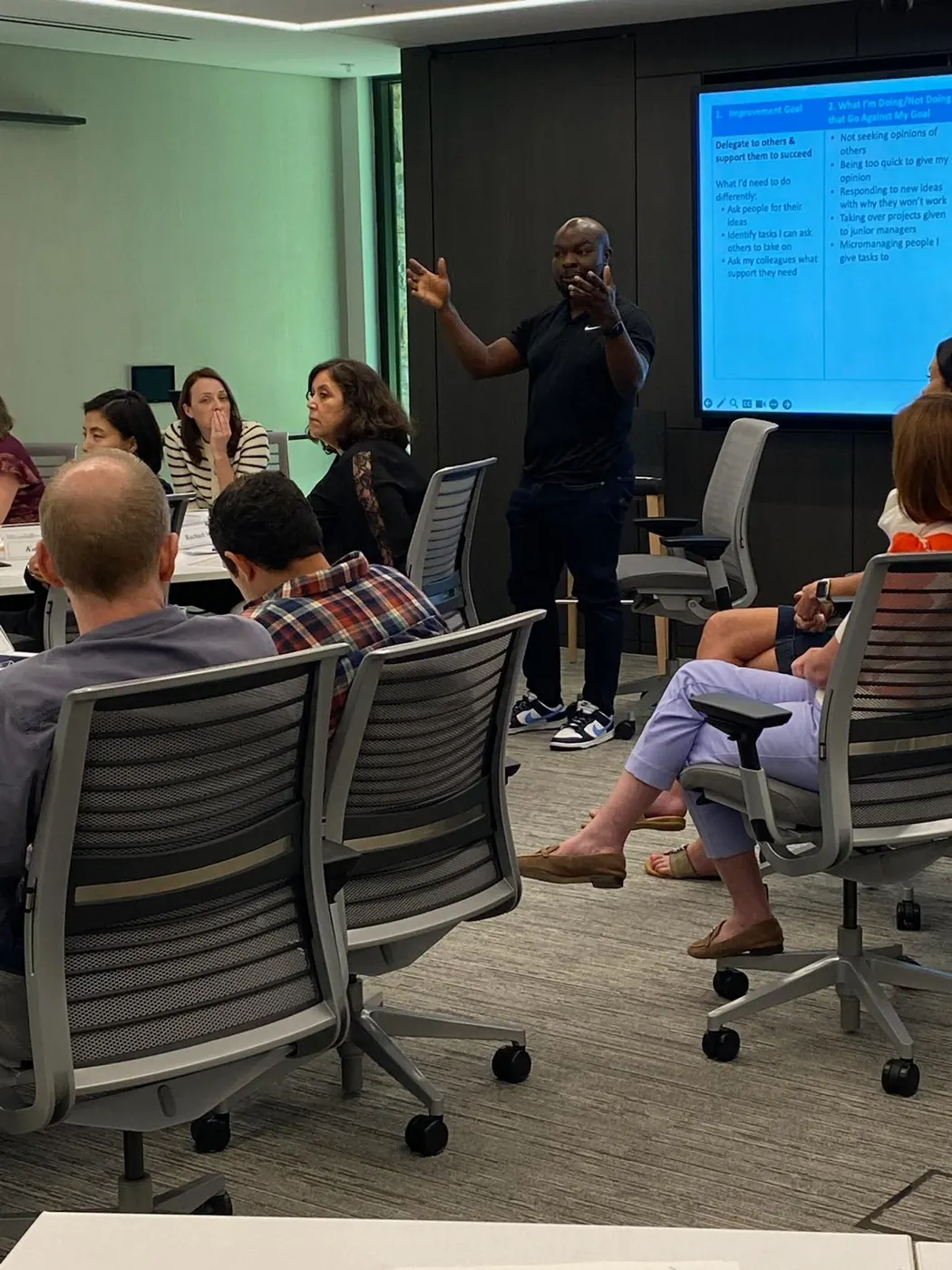
Team and Board Offsites
Board and executive offsites that end in decisions, not a list of themes.
Most offsites produce energy on the day and a summary deck by Friday. Three weeks later, the same argument is back in the same meeting.
We facilitate board, executive committee and leadership team offsites. The conversation everyone has been avoiding actually happens, the decision gets made, and people leave knowing exactly what they have committed to.
In short
What does an offsite facilitator actually do?
A facilitator designs and runs the offsite so the board or leadership team can do the hard thinking instead of managing the meeting. With MindsetShift that means preparing with the chair or CEO beforehand, naming the tensions the agenda avoids, holding the room when it gets uncomfortable, and turning the outcome into specific decisions and commitments people can hold each other to.
- Who it is for
- Boards, executive committees and founder-led leadership teams facing a transition, a strategic shift or a stalled decision.
- What it fixes
- Offsites that refresh the strategy but leave the behaviour, and the unresolved arguments, where they were.
- Where
- In person, at a venue that suits your team, by arrangement.
Why offsites fail
The agenda is rarely the problem. What nobody will say is.
Leadership teams can spend two days on strategy and still avoid the one issue deciding whether the strategy gets delivered. A good facilitator makes that issue discussable without turning the room into theatre or making it unsafe to speak.
- The team agrees in the room, then fragments as soon as they leave.
- A restructure happened and alignment never recovered.
- A big decision is coming and the team is not ready to make it together.
- Trust has eroded and nobody is naming it directly.
How we run it
Built to go somewhere real.
Before the day
We work with the chair or CEO on what the offsite has to resolve, and on what is likely to get in the way.
Surface the unsaid
The things the team has been circling, avoiding or performing around get named, in a way people can actually work with.
Name the patterns
The team identifies the habits that keep producing the same outcome. They name it, not us. That is what makes it last.
Decide and commit
The session ends with decisions, owners and operating commitments the team can hold each other to.
After the day
A follow-up checks whether the commitments are holding once normal pressure returns, and what to do if they are not.
In their words
What people say after the room empties.
In just one session, we addressed challenges we had been avoiding for months.
I have been to a lot of offsites. This was different. We dug deep into leadership behaviours we had been circling for months and walked away with tools we could use in the very next meeting.
The mindset shifts still guide me months later.
Formats
Where we are usually brought in.
Board strategy offsites
For boards working through transition, governance change or a strategic reset, where candour has to come before progress.
Executive committee offsites
For leadership teams that are individually strong and collectively pulling in different directions.
New leadership team launches
For a new CEO, a merged team or a restructured executive that needs to start operating as one.
Founder and scale-up leadership teams
For teams where speed has outpaced clarity and the founder is still the bottleneck.
Questions chairs and CEOs ask before booking.
- If the chair or CEO runs the session, they can't also take part as an equal, and the topics that involve them rarely get raised. An external facilitator lets everyone in the room participate and makes it easier to raise what people have been avoiding.
What does this offsite have to resolve?
Start there. One conversation will tell you whether we are the right people to be in the room.
Plan an offsite